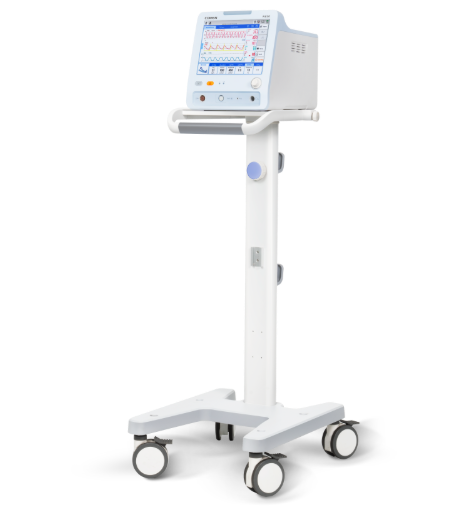
Physicians in neonatal intensive care units require highly specialized technology to support the delicate respiratory systems of premature and critically ill newborns. A neonatal ventilator serves as a vital support system, delivering controlled mechanical breaths when an infant’s lungs are too underdeveloped or weak to maintain sufficient oxygenation. These devices prioritize lung protection by providing precise, low-volume airflows tailored to the minute physiological needs of a newborn. COMEN‘s neonatal ventilation solutions are engineered to help medical teams manage complex respiratory conditions while minimizing the risk of long-term pulmonary damage—ensuring that even the smallest patients receive the respiratory assistance necessary for survival and growth.
Precision Pressure and Flow Control
Maintaining stable airway pressure is a fundamental requirement for the safe operation of a neonatal ventilator. They implement advanced software to manage continuous positive airway pressure (CPAP), which helps keep the tiny alveoli of the lungs open between breaths. Within the NV10 system, the infant ventilator utilizes high-frequency oscillation and non-invasive ventilation modes to provide gentle support without the trauma often associated with traditional mechanical ventilation. This level of precision is achieved through rapid-response valves and sensors that adjust the flow rate in milliseconds, ensuring that the pressure delivered remains consistent and within the strict safety limits required for neonatal care.
Sophisticated Monitoring and Patient Synchrony
Effective respiratory support depends on the ability of the machine to work in harmony with the child’s spontaneous efforts. A modern neonatal ventilator incorporates sensitive triggers that detect the slightest attempt by an infant to inhale, immediately providing a synchronized breath. They use these features to prevent the infant from fighting against the machine, which reduces physical exhaustion and oxygen consumption. Furthermore, the infant ventilator displays real-time waveforms and data on a high-definition screen, allowing clinicians to monitor compliance and resistance changes at the bedside. This continuous feedback loop ensures that the treatment remains perfectly aligned with the evolving clinical status of the baby.
Integrated Safety Features and Humidity Management
Ensuring the comfort and safety of a newborn involves more than just air delivery; it requires a controlled environment that mimics the womb. An infant ventilator often works in conjunction with specialized humidification systems to warm and moisten the air before it reaches the patient’s airway. They include built-in alarms for pressure fluctuations or power interruptions to provide an extra layer of security in the high-stakes environment of an ICU. Because the neonatal ventilator is designed for long-term use in fragile patients, every component is engineered to maintain a sterile and stable supply of oxygen-enriched air, which is essential for the healthy development of a neonate’s respiratory and neurological systems.
Respiratory management for the most vulnerable patients requires a balance of technical precision and clinical sensitivity. The neonatal ventilator remains a cornerstone of modern pediatrics, offering the flexibility to treat various stages of respiratory distress with both invasive and non-invasive methods. When a medical facility deploys a high-performance infant ventilator, they equip their staff with the tools needed to handle the complex challenges of neonatal medicine. Through constant monitoring and adaptive ventilation strategies, these machines contribute significantly to the successful recovery of premature infants, supporting their health from the very first breath.
