Choosing energy management software should begin with a more useful question than “Which platform has the most features?” Solar PV, battery storage, smart loads, and changing electricity tariffs create different management requirements, so a platform that works well for one system may be inadequate for another. The right choice depends on how effectively the software turns energy data into decisions, actions, and ongoing operational visibility.
Define What the Software Must Help You Decide
A selection process becomes clearer when software is judged by the decisions users expect to make. A homeowner may want to understand when electricity is being generated, consumed, or stored. An installer may need to identify abnormal system behavior without visiting a site. A commercial operator may need information from multiple plants to compare production and manage assets.
That distinction matters because energy management is not simply data collection. The software should connect information with an operational purpose. Before comparing platforms, buyers can therefore list the decisions they need to make regularly and then ask whether each platform provides the necessary information at the right level of detail.
For example, if reducing electricity costs is a priority, tariff information may be more valuable than an attractive real-time dashboard. If an installer manages hundreds of systems, centralized plant visibility may matter more than additional household-level visualizations.
Judge the Software by the Depth of Its Energy Picture
Real-time monitoring provides the starting point, but historical context determines whether the information becomes useful. A sudden change in consumption means little without a way to compare it with previous days, weeks, months, or years.
Trend analysis can reveal recurring patterns in PV generation, energy consumption, and system revenue. It also gives operators a way to investigate whether an observed change is isolated or part of a longer-term pattern.
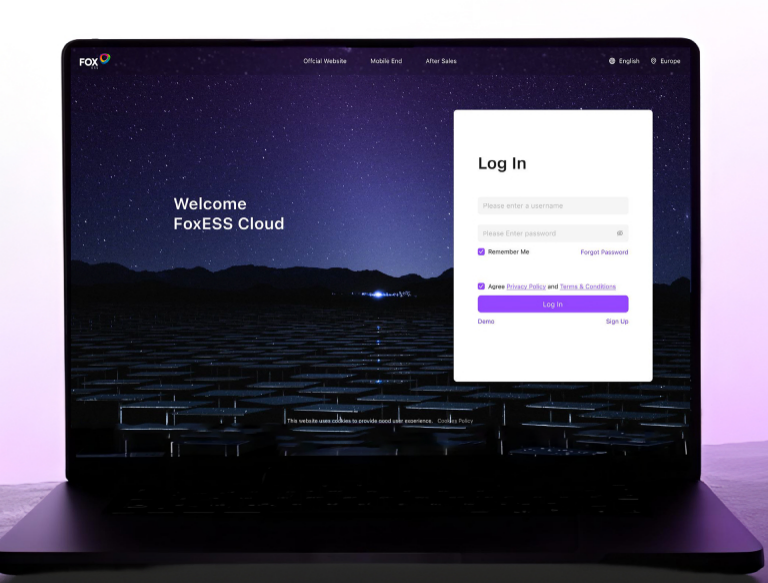
Fox ESS uses FoxCloud 2.0 as an example of this broader monitoring approach. Its platform presents production and consumption information while allowing users to view trends by day, week, month, or year. It also provides revenue information, including total revenue, changes over time, and revenue-source breakdowns.
For buyers comparing the best energy management software, the relevant question is therefore not simply whether a platform offers monitoring. They should ask whether its data can explain system behavior well enough to support the decisions they actually need to make.
Test Whether Pricing Can Become an Operating Input
Electricity tariffs can change the economics of storage and energy consumption. Software that displays energy flows but cannot accommodate relevant pricing structures may leave users with useful data but limited ability to act on it.
Tariff functionality deserves its own evaluation. Buyers should examine whether the platform can represent the pricing structure used in their market, whether tariff settings are easy to review, and whether the information can contribute to intelligent energy decisions.
FoxCloud 2.0 supports both Smart Tariff and manual tariff functions. Users can select a time mode, review the tariff configuration, preview the settings, and apply the selected tariff plan. Manual tariff plans support up to 96 time slots, while Smart Tariff provides access to multiple tariff providers.
That capability illustrates a wider selection principle: pricing should not sit separately from energy data. Where tariffs influence storage or consumption decisions, the software should make the relationship between energy behavior and cost easier to understand.
Look at What Happens After Installation
Software selection should also account for the period after commissioning. Energy assets require ongoing visibility, and service teams may need to inspect or manage systems without being physically present.
For a single residential installation, remote monitoring can simplify oversight. A professional organization managing many systems faces a different problem: information must remain organized across sites, accounts, and assets. Plant management, statistics, production trends, and maintenance-oriented information become increasingly relevant as the portfolio expands.
Fox ESS positions FoxCloud Web 2.0 toward installers and distributors, with a dedicated plant management interface for operation, monitoring, and maintenance. Its BI dashboard provides plant rankings, statistics, and production trends for solar and energy storage systems.
Consequently, buyers should test the post-installation workflow rather than evaluating software only from the perspective of the end customer. A platform that looks simple at one site may become difficult to operate if portfolio-level management is weak.
Match the platform to the scale of the energy system
Software requirements also change as the physical energy system becomes more sophisticated. Residential PV and storage may require straightforward monitoring and control, while commercial and industrial systems can involve several operational objectives simultaneously.
The C&I environment provides a useful benchmark because larger energy systems must respond to changing load conditions, energy prices, and grid requirements at the same time. Software therefore needs to do more than display system status; it must coordinate how energy is generated, stored, consumed, and exchanged with the grid.
In practice, this means the platform needs to translate different operating priorities into coordinated control strategies while maintaining visibility into system performance. For larger and more complex installations, the depth of software control can therefore become as important as the underlying hardware capacity.
These examples show why software should be assessed alongside the operating architecture. A platform needs enough visibility and control depth for the equipment and energy strategy it is expected to support. Choosing software before defining that relationship can create unnecessary limitations later.
Make the Final Choice Through Real Operating Scenarios
A practical evaluation should replace a simple feature checklist with several realistic scenarios. Ask the platform to show what happened to energy production and consumption over time, explain how tariff information is represented, and demonstrate how an operator would respond remotely to an issue.
Next, test the workflow from a portfolio perspective. Can an installer move from an individual system to multiple plants without losing useful information? Can production trends and plant statistics be reviewed efficiently? Can the platform remain relevant if storage capacity, smart devices, or commercial assets are added later?
These questions lead to a more defensible answer than selecting software because it has the largest number of functions. The platform should provide monitoring, analysis, tariff handling, remote management, and plant-level tools that correspond to the actual operating decisions of the energy system.
Turn Energy Data into Practical Decisions
A capable energy management platform should do more than collect and display energy data. Its value lies in turning that information into practical decisions, whether those involve tariff response, remote control, or the coordination of an expanding energy system. Buyers can therefore judge software more effectively by testing how well its functions support the decisions they actually need to make.
