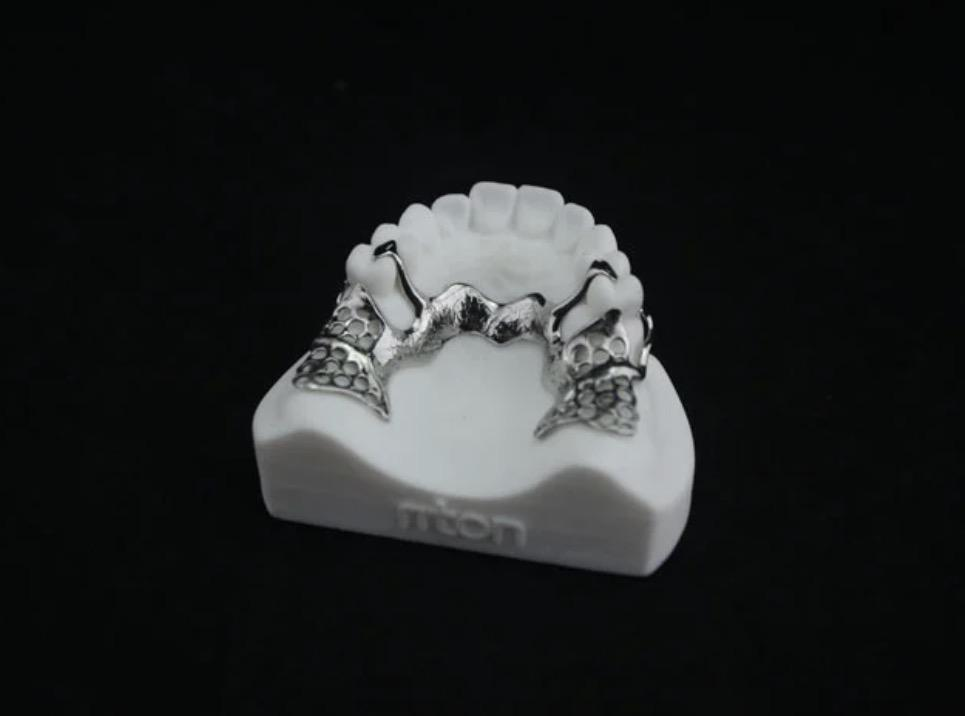
As digital dentistry workflows transform commercial laboratories and production centers, additive manufacturing output continues to scale rapidly across the globe. While printing metal copings, complete frameworks, and removable partial dentures has become remarkably efficient, the post-processing phase often remains a labor-intensive operational bottleneck.
Finishing metal restorations requires meticulous surface smoothing and appropriate post-processing techniques, which may include plasma polishing. This operational reality prompts dental technicians, procurement decision-makers, and laboratory managers to ask a fundamental question: Where should automation take over finishing tasks, and where is human technical expertise still indispensable on the production floor?
Navigating this digital transition successfully requires partnering with established industry providers who understand the complete manufacturing lifecycle from digital design to final clinical delivery. Manufacturing pioneers such as Riton leverage nearly 30 years of laser expertise and early dental metal 3D printing research and development involvement to shape industry standards.
Where Automation Excels: Replacing Manual Bottlenecks with a Plasma Polishing Machine
Traditional metal post-processing typically involves a tedious sequence of manual steps, including rough grinding, electrolysis, fine grinding, and final buffing with abrasive compounds. These manual stages depend heavily on individual hand dexterity and physical stamina, creating significant variability in surface finish across different operators. Such inconsistencies make it difficult to maintain stable delivery schedules during peak production seasons or when experienced technicians transition out of the facility.
Laboratory supervisors frequently ask: Can automated surface treatment systems eliminate manual inconsistencies without compromising the delicate geometry of complex metal frameworks? Modern innovations demonstrate that automation excels precisely at standardizing repetitive, high-friction tasks. By adopting an advanced plasma polishing machine, laboratories can streamline their post-processing workflows significantly.
Systems engineered for modern dental production combine multiple manual stages into a single automated cycle. The RT-900 combines plasma polishing into an automated operation that can reduce the need for certain manual finishing steps. Operating with a precise current range from 0 to 30A, this automation handles complex alloys like cobalt-chromium and titanium alloys efficiently, removing surface roughness peaks without altering critical edge angles or overall dimensional integrity. As a result, technical teams can achieve consistent, high-quality finishes while reducing reliance on subjective manual labor and minimizing repetitive strain injuries among staff.
What Cannot Be Replaced: The Vital Role of Human Technical Judgment
Despite significant advancements in manufacturing technology, automation does not completely eliminate the human element in a modern laboratory. Certain aspects of dental finishing and quality assurance require nuanced human judgment that machines cannot replicate.
Procurement decision-makers evaluating automated workflows often wonder: Will automated post-processing remove the need for skilled technicians entirely? In practice, automated equipment handles the repetitive physical labor of material removal, but human technicians remain essential for initial case evaluation, digital inspection, and final quality verification. Technicians must still review scan data, verify that internal structures fit master models correctly, and make informed decisions regarding unique clinical prescriptions.
Furthermore, machine maintenance, parameter adjustments for unusual geometries, and fixture positioning require experienced oversight. Rather than replacing human talent, automation elevates technicians into supervisory roles, allowing them to focus on quality control, case planning, and client communication rather than exhausting manual buffing tasks. Additionally, training junior staff on digital supervision creates a resilient internal talent pipeline that supports sustainable facility growth.
Real-World Application Scenario in a Commercial Laboratory
Consider a busy commercial dental laboratory experiencing rising demand for metal removable partial dentures and implant-supported superstructures. Previously, three senior technicians spent hours each day performing manual grinding and polishing. This manual workload limited daily output, created delivery bottlenecks during busy clinical periods, and contributed to staff fatigue.
By integrating a specialized 3D print polishing machine into their finishing room, the laboratory optimized its daily workflow. Measuring 600 × 650 x 720 mm and weighing 32 kg, the unit has a compact footprint that may suit laboratories with limited equipment space, subject to installation requirements. Running on standard power supply, the system adopts precise current control and air cooling to polish dental frameworks efficiently.
Reference production data indicates that daily output can increase from 13 manually processed RPDs to 20 RPDs with the RT-900, representing an approximate 54% increase. Actual results depend on production conditions. This noticeable capacity growth helps laboratories take on more client orders without expanding workspace or extending working hours.
Beyond processing throughput, automated polishing can help laboratories standardize one stage of their finishing workflow. When minor calibration questions arose, global agent-backed local service, responsive after-sales service, and specialized dental technical support ensured immediate resolution, minimizing costly equipment downtime and maintaining competitive lead times for regional dental clinics.
Strategic Outlook for Laboratory Management
Balancing automation and human expertise is essential for sustainable laboratory growth and long-term business resilience in a competitive marketplace. While machines handle repetitive, physically demanding finishing steps with high consistency, skilled technicians provide the critical oversight needed for complex clinical cases. Strategic investments in automated finishing systems empower facilities to scale production smoothly without sacrificing craftsmanship. By combining advanced post-processing hardware with experienced personnel and reliable industry partnerships, laboratories can enhance productivity, maintain strict quality standards, and deliver reliable restorations to dental practitioners worldwide.
