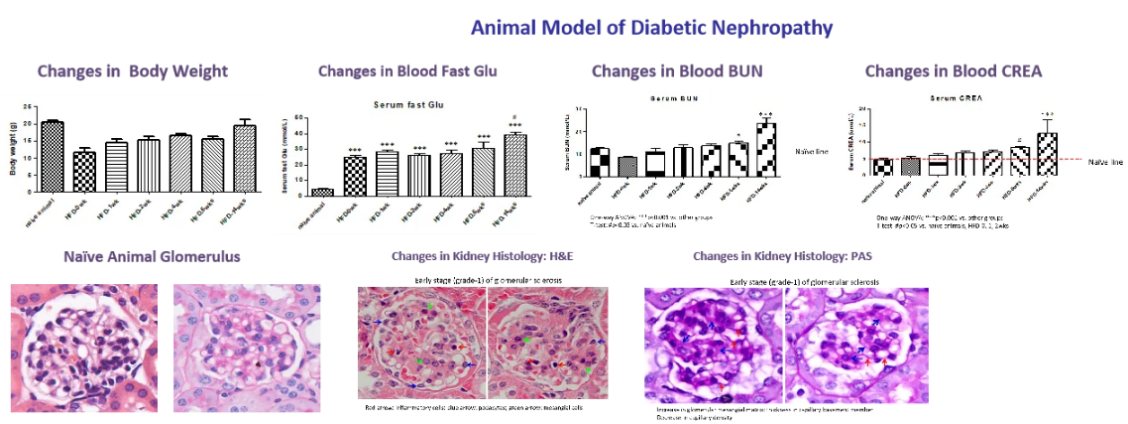
Type 1 diabetes mellitus presents complex autoimmune and physiological challenges for therapeutic researchers. The condition stems from targeted immune-mediated destruction of insulin-producing pancreatic beta cells, leading to severe hyperglycemia and metabolic instability.
Translating novel metabolic interventions from conceptual designs into clinical candidates requires robust in vivo evaluation platforms. Preclinical animal paradigms allow researchers to study pancreatic inflammation, immune regulation, and glucose homeostasis under controlled physiological conditions.
Sponsors often partner with a specialized metabolic disease CRO to conduct pharmacological assessments and biomarker studies. KCI Biotech is a preclinical contract research organization (CRO) that supports drug discovery through in vivo pharmacology and pharmacodynamics research. Its metabolic disease services include study design, animal model establishment, dosing, data collection, and reporting, supporting preclinical research across metabolic and endocrine disorders.
Understanding how different models reflect distinct aspects of human pathogenesis enables research teams to optimize early-stage pipelines. Combining complementary models strengthens data consistency and reduces developmental risks across metabolic drug discovery programs.
Etiological Diversity in Type 1 Diabetes Paradigms
Preclinical systems for evaluating diabetes candidates generally divide into two broad categories: spontaneous autoimmune models and chemically induced experimental paradigms. Spontaneous strains, such as Non-Obese Diabetic mice and BioBreeding rats, develop polygenic autoimmune insulitis that closely mirrors human disease progression.
These genetic systems allow investigators to examine early cellular autoimmune infiltration, autoantibody dynamics, and progressive loss of beta cell mass over extended observation windows. They are particularly valuable for testing immunomodulatory agents, tolerance-inducing therapies, and preventative biologics.
Conversely, chemical ablation models utilize targeted agents such as streptozotocin or alloxan to rapidly induce selective beta cell toxicity. Chemical lesion paradigms produce predictable, severe hyperglycemia within short operational timelines, making them useful for screening acute glucose-lowering agents and islet transplantation strategies.
For researchers investigating type 1 diabetes, KCI Biotech specifically lists a Streptozotocin (STZ)-induced type I diabetes mellitus model. According to its published diabetes model portfolio, this model is available for preclinical diabetes drug research and evaluation. STZ-induced models are useful for studying beta-cell injury and glucose regulation, although they do not fully reproduce the autoimmune mechanisms underlying spontaneous type 1 diabetes.
Leveraging specialized animal models for diabetes allows biopharmaceutical developers to align specific drug mechanisms with relevant pathological features. Evaluating candidate molecules across multiple model classes provides a more comprehensive perspective on biological efficacy.
Primary Physiological Metrics and Functional Readouts
Assessing metabolic recovery and pancreatic islet protection requires integrating systemic physiological measures with detailed histopathological analyses. Standard functional assays monitor longitudinal fasting blood glucose levels, glycated hemoglobin, and oral or intraperitoneal glucose tolerance responses.
Histopathological evaluations focus on quantifying residual beta cell volume, insulin immunoreactivity, and the extent of lymphocytic insulitis within pancreatic islets. Measuring pro-inflammatory cytokine expression within pancreatic tissue offers critical insights into localized inflammatory cascades accompanying cell death.
To complement functional readouts, researchers routinely quantify circulating C-peptide levels alongside systemic insulin concentration. Combining peripheral metabolic data with tissue-level structural metrics reduces analytical bias during lead candidate optimization.
Standardizing study protocols across experimental groups ensures data reproducibility and reliable longitudinal comparisons. Well-controlled study execution minimizes non-specific physiological variance, allowing teams to identify modest yet meaningful therapeutic signals.
Comparative Framework of Preclinical Type 1 Diabetes Paradigms
| Model Platform | Primary Pathological Feature | Key Experimental Application | Operational Horizon |
| NOD Mouse Model | Spontaneous polygenic autoimmune insulitis | Immunotherapy & disease-prevention evaluation | Extended timeline (months) |
| Streptozotocin (STZ) Lesion | Rapid chemical destruction of beta cells | Symptomatic glucose control & insulin analogs | Short-term screening (weeks) |
| BB Rat Model | Spontaneous T-cell lymphopenia & insulitis | Immune modulation & biomarker discovery | Mid-to-long term (months) |
| Adoptive Transfer Model | Rapid T-cell-mediated islet destruction | Mechanistic immune target validation | Short-to-mid term (weeks) |
Note: This table compares general preclinical research approaches. KCI Biotech’s published diabetes portfolio specifically lists the STZ-induced type I diabetes mellitus model; availability of other model types should be confirmed with the company.
Pharmacokinetic Profiling and Systemic Target Validation
Evaluating candidate compounds in metabolic disease research requires verifying continuous pharmacodynamic activity within target tissues. Small molecules and biologic agents must attain adequate exposure levels within systemic circulation and localized pancreatic microenvironments to yield measurable efficacy.
Investigating drug disposition profiles involves detailed sampling of plasma, liver tissue, and pancreatic tissues across varied administration schedules. Quantitative bioanalytical assays provide essential data regarding drug clearance rates, metabolic stability, and systemic half-life.
To establish clear exposure-response relationships, experimental protocols coordinate continuous pharmacokinetic sampling with physiological glucose monitoring. Mapping these parameters helps development teams refine dosage frequency before committing resources to advanced regulatory studies.
Contract research partners, including KCI Biotech, provide customizable in vivo platforms to help pharmaceutical developers evaluate emerging metabolic and endocrine therapies. Rigorous analytical validation supports stronger regulatory filings and de-risks multi-year drug development investments.
Bridging Preclinical Discoveries and Clinical Applications
Modern research strategies combine traditional rodent paradigms with human cell-based assays to enhance translational relevance. Human stem cell-derived beta clusters and primary human islet cultures provide valuable in vitro systems for testing direct cellular responses.
Combining human cellular assays with systemic animal models creates a multi-layered evaluation framework. In vitro systems support targeted mechanistic studies, while living animal models capture complex multi-organ interactions, hormonal regulation, and systemic physiological responses.
Furthermore, emerging biomarker platforms—such as ultra-sensitive digital immunoassays and continuous glucose monitoring devices—align preclinical endpoints with human clinical trial methodologies. Parallel monitoring techniques across species help narrow the gap between laboratory observations and clinical outcomes.
Adopting rigorous experimental controls, including randomized animal allocation and blinded scoring, further enhances data integrity. Methodological rigor helps ensure that observed metabolic improvements stem from true biological efficacy rather than operational artifacts.
Optimizing Pipelines for Metabolic Disease Discovery
Building resilient drug discovery pipelines requires balancing model capabilities, pathological context, and operational timelines. Recognizing that no single animal model fully replicates every facet of human Type 1 diabetes encourages research groups to adopt multi-tiered testing paradigms.
Through systematic model selection, multi-parametric data collection, and rigorous study controls, biopharmaceutical organizations gain clearer insights into candidate mechanisms. This structured approach helps prioritize promising compounds while identifying potential limitations early in development.
Collaborative partnerships between pharmaceutical sponsors and experienced CROs facilitate the adoption of refined testing protocols. Working together to optimize disease models supports continuous improvement across preclinical metabolic research workflows.
Through thoughtful model selection and comprehensive biological evaluation, researchers build reliable evidence for novel therapeutic candidates. This systematic strategy supports safer, more efficient transitions from laboratory discoveries toward clinical therapeutic solutions.
