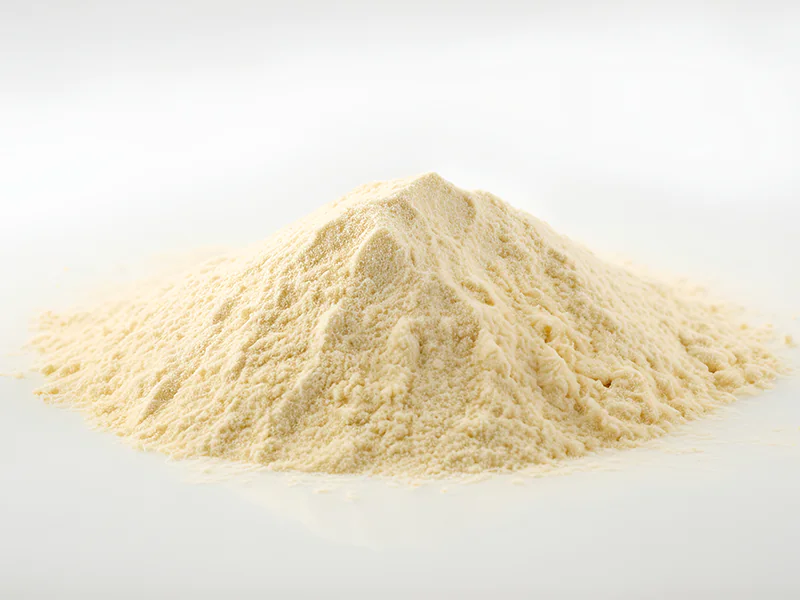
Selecting the right raw materials is essential for maintaining product consistency, processing efficiency, and quality standards in food manufacturing. Silicon dioxide food additive is widely used to improve powder flowability, reduce caking, and support reliable production across various food applications. However, not all grades of silicon dioxide are suitable for food processing. Buyers need to evaluate purity, particle properties, regulatory compliance, and supplier reliability before making a purchasing decision.
For manufacturers seeking dependable material solutions, understanding what defines high-quality food-grade silicon dioxide can help reduce sourcing risks and support long-term production requirements. This guide outlines the key factors to consider when choosing a suitable product.
Understanding Silicon Dioxide as a Food Additive
Silicon dioxide, also known as silica, is an inorganic compound used in food manufacturing for its functional properties. As an anticaking agent, it helps prevent fine powders from clumping during storage and handling. This function is particularly important for powdered ingredients, seasonings, dry mixes, and other products that may be affected by moisture or compression.
The performance of a silicon dioxide food additive depends on its physical characteristics and compatibility with the formulation. Particle size, surface area, moisture content, and dispersion behavior can influence how effectively the material performs in a specific application.
For manufacturers, the goal is not simply to purchase silicon dioxide with a high purity level. It is to identify a grade that meets technical specifications, satisfies applicable food safety requirements, and delivers consistent results under actual processing conditions.
- Verify Food Grade Quality and Regulatory Compliance
Food safety should be the first consideration when evaluating silicon dioxide suppliers. A product intended for industrial applications should not automatically be considered suitable for food manufacturing, even if its chemical composition is similar.
When sourcing silicon dioxide food grade, buyers should review the product specification sheet, certificate of analysis, and relevant safety documentation. These documents help verify the material’s identity, purity, and compliance with applicable requirements.
Depending on the target market, manufacturers should also confirm that the product meets relevant food additive regulations and applicable purity criteria. Requirements can differ between countries and regions, so documentation should reflect the intended application and destination market.
A qualified supplier should provide clear technical information and support traceability throughout the procurement process. These measures help manufacturers establish a more reliable raw material qualification procedure.
- Evaluate Particle Size and Functional Performance
Particle properties play an important role in determining how silicon dioxide behaves during manufacturing. A suitable particle size distribution can influence powder flow, mixing uniformity, dispersion, and the effectiveness of anticaking performance.
For example, powdered seasonings and dry beverage mixes may require silica with specific dispersibility and flow characteristics. Other formulations may benefit from different surface properties or levels of moisture adsorption.
Before selecting a product, manufacturers should communicate their application requirements to the supplier. Reviewing technical specifications and conducting application trials can help determine whether a particular grade performs as expected.
It is also important to assess consistency between batches. Stable particle characteristics help reduce unexpected changes in processing behavior and support more predictable finished product quality.
- Match the Grade to Your Application
Different food formulations have different processing requirements. A silicon dioxide food additive that performs well in one product may not deliver the same results in another.
Manufacturers should consider the ingredient composition, moisture sensitivity, processing conditions, and desired shelf life of the final product. They should also evaluate how the silica interacts with other ingredients and whether the intended usage level complies with applicable regulations.
Working with a supplier that understands food, pharmaceutical, and cosmetic applications can simplify technical discussions and help buyers identify appropriate material options. However, each application requires its own suitability assessment, and a grade approved for one category should not automatically be assumed suitable for another.
- Assess Supplier Consistency and Technical Support
Reliable sourcing involves more than comparing prices. Variations in raw material quality can affect production efficiency, product consistency, and overall operating costs.
When comparing suppliers, buyers should examine manufacturing quality controls, batch consistency, documentation practices, and delivery capabilities. Technical support is another important consideration, especially when a manufacturer needs to optimize a formulation or resolve powder handling issues.
A supplier capable of providing consistent specifications and responsive technical communication can help streamline material evaluation and support long-term purchasing plans.
Why Consider JSJ Silica?
JSJ Silica offers silica solutions for food, pharmaceutical, and cosmetic applications through its FOMESIL® product range. With a focus on application specific requirements, FOMESIL® helps manufacturers explore suitable silica materials for different formulation and processing needs.
For manufacturers sourcing silicon dioxide food grade, key considerations include material purity, consistent quality, and functional performance. Selecting the appropriate silica grade can help improve powder flowability, reduce caking, and support more consistent handling during production and storage. JSJ Silica’s application focused product range provides a starting point for identifying solutions that align with specific manufacturing requirements.
Through its FOMESIL® range, JSJ Silica serves multiple application areas, giving manufacturers a resource for evaluating silica solutions across food, pharmaceutical, and cosmetic formulations. Buyers can consult the company for detailed product specifications, quality documentation, and guidance on selecting the appropriate grade for their intended application.
Make a More Informed Purchasing Decision
Choosing high-quality silicon dioxide food grade requires a balanced assessment of safety, technical performance, application compatibility, and supplier reliability. By verifying documentation, reviewing particle properties, conducting practical trials, and assessing supply consistency, manufacturers can make more informed procurement decisions.
With clearly defined requirements and a qualified supply partner such as JSJ Silica, manufacturers can identify suitable silicon dioxide food additive solutions that support efficient processing and consistent product quality.
