Industrial companies connecting machines, sensors, and automation systems often face a fundamental architecture choice: should operational data be processed close to equipment through an edge gateway IoT model, or should information be sent to centralized cloud computing platforms?
The answer depends on the industrial objective. A production robot requiring immediate response has different computing requirements from a company analyzing equipment data across multiple global facilities.
The decision is not simply about selecting newer technology. It requires understanding where data is generated, where decisions must happen, and how industrial operations continue under real-world conditions.
Industrial Data Flow Determines Whether Edge or Cloud Should Process First
Industrial systems generate data differently from traditional enterprise applications. Machines, sensors, cameras, and controllers continuously produce operational information that directly reflects production conditions.
A cloud-first architecture transfers collected data to remote servers where computing resources perform analysis, storage, and management. This model works well when applications require centralized visibility, long-term data management, or coordination across multiple sites.
An edge-based architecture changes the location of initial processing. An edge computing gateway collects data near industrial equipment, performs local analysis, filters unnecessary information, and communicates selected data to upper-level platforms.
The difference is where the first decision occurs. Edge systems allow machines and production processes to react locally, while cloud systems focus on broader analysis after data reaches centralized infrastructure.
For industrial applications, this distinction affects system response time, network dependency, and operational continuity.
Factory Automation Needs a Different Architecture Than Enterprise Analytics
Industrial automation environments often contain multiple layers, including field devices, control systems, manufacturing execution systems, and enterprise platforms.
At the machine level, industrial systems require reliable communication between sensors, controllers, and equipment. A local processing layer can manage device connections and interpret operational signals before sending information to higher-level systems.
For example, a machine vision inspection station may need to identify product defects immediately during production. Waiting for image data to travel to a remote cloud platform and return a decision may not fit the production cycle.
Cloud computing becomes more valuable when the objective shifts from immediate action to large-scale understanding. Manufacturers can use centralized platforms to compare production performance, analyze historical trends, and manage equipment information across different facilities.
The difference between these workloads explains why industrial organizations often deploy both architectures instead of treating them as direct replacements.
When Machines Cannot Wait: Scenarios That Favor Edge Gateway IoT
Applications requiring rapid responses are strong candidates for edge-based architectures.
Manufacturing lines provide a clear example. Automated equipment must often respond to abnormal conditions, sensor changes, or quality issues without depending on external network availability.
In energy infrastructure, remote assets such as power equipment and monitoring stations may require local decision-making because communication conditions can vary. Processing information locally helps maintain operational reliability.
Transportation systems, smart buildings, and industrial monitoring installations also frequently rely on local intelligence. These environments may involve many connected devices distributed across large physical areas.
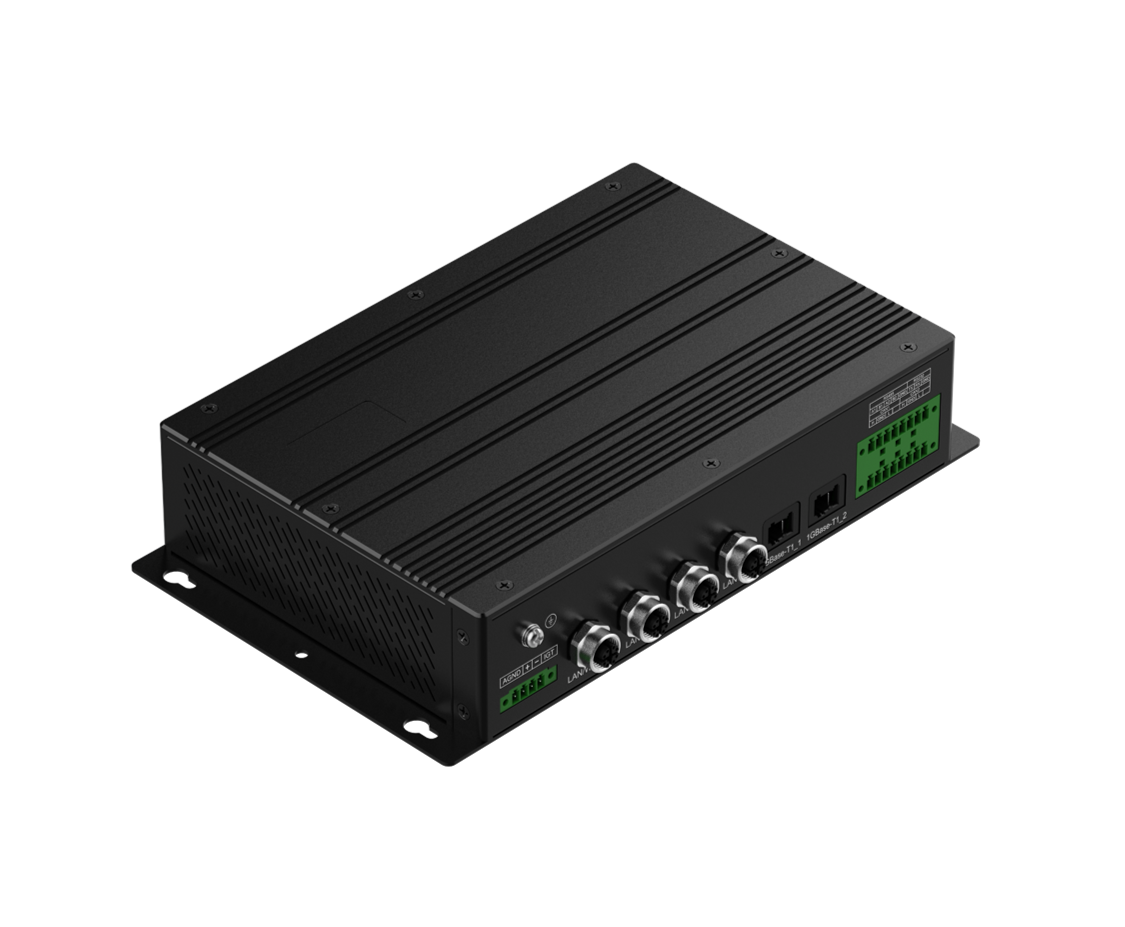
An edge computing IOT gateway provides a practical connection point between industrial equipment and digital platforms. It can support protocol conversion, device communication, and localized computing functions required by IIoT deployments.
Vantron provides industrial edge computing solutions designed for connecting field equipment with modern digital systems, helping organizations develop distributed architectures for industrial environments. Vantron Edge Computing Gateway Solutions
When Centralized Intelligence Matters: Scenarios That Favor Cloud Computing
Cloud computing remains important for industrial operations that depend on centralized resources.
Large-scale manufacturers operating multiple factories can use cloud platforms to collect information from different locations and create unified operational views.
Enterprise analytics, production optimization, and historical data analysis often require significant computing resources. Cloud platforms provide flexible infrastructure for storing large datasets and running advanced analytical workloads.
Artificial intelligence development is another area where centralized environments are valuable. Training models, managing data pipelines, and distributing updated algorithms across multiple sites are often easier through cloud-based systems.
However, cloud dependence can create challenges for applications requiring immediate responses. Industrial organizations must evaluate whether sending all operational data remotely supports their specific workflow.
Designing Industrial Systems That Combine Edge and Cloud Layers
Many modern IIoT deployments use a layered architecture where edge and cloud computing perform different responsibilities.
The edge layer focuses on immediate operational tasks. It collects information, manages device communication, and processes time-sensitive data close to machines.
The cloud layer handles enterprise-level functions such as data aggregation, remote monitoring, and long-term analysis.
Hardware selection also influences how effectively this architecture operates. Industrial designers should evaluate processor performance, software support, connectivity, and deployment conditions when selecting an edge computing platform.
An industrial system using an edge computing gateway can reduce unnecessary data transmission while still maintaining connection with cloud services for advanced analytics.
This division of responsibilities creates a more adaptable architecture because each computing layer handles the tasks most suitable for its location.
Choosing the Architecture That Matches Industrial Objectives
The better architecture depends on the industrial application rather than the technology label.
Companies requiring real-time machine responses, reliable local operation, and direct equipment interaction usually benefit from edge processing. Organizations focused on enterprise analytics, centralized management, and multi-site visibility often require cloud capabilities.
The selection process should begin with operational questions: How quickly must decisions occur? Can the network connection always be trusted? How much data should leave the facility? Where should intelligence be located?
For many industrial deployments, the most effective approach is not choosing between edge gateway IoT and cloud computing. Instead, it is creating an architecture where local devices handle immediate operations while cloud platforms provide broader intelligence.
Vantron supports industrial customers by providing embedded computing and edge solutions that connect equipment-level data with larger digital transformation strategies.
The future of industrial computing will not be defined by choosing edge or cloud alone. Instead, successful deployments will depend on how effectively organizations distribute workloads across local devices and centralized platforms to support efficient, reliable operations.
