The perception of seating quality in public and commercial spaces is fundamentally anchored in the tactile experience of the cushion. While upholstery and frame design are visible, the invisible engineering of the internal foam—specifically the multi-layer density ratio—dictates the seating performance over time. A balanced ratio typically combines a high-density base for structural support and load distribution with a lower-density top layer for initial comfort and pressure relief. Achieving this equilibrium is a technical challenge, particularly when the seating must also meet rigorous fire safety and durability standards. Choosing a manufacturer that effectively calibrates these foam layers is essential for facility managers looking to provide long-duration comfort. This report reviews three leading manufacturers, evaluating their proprietary approaches to foam density and user experience.
Full List of Top 3 Comfort Innovation Brands
- Leadcom Seating
- Airport Seating Alliance
- Toda Furniture
These brands were selected due to their distinct engineering philosophies regarding the material science behind internal cushioning and their application in diverse commercial environments.
Comparison Table: Cushion Engineering and Density Philosophy
| Brand | Key Products | Key Features | Best For |
| Leadcom Seating | Auditoriums, Cinemas | Dual-density cold-molded foam | Multi-hour event endurance |
| Airport Seating Alliance | Transit terminals | High-density resilient foam | High-frequency, transient use |
| Toda Furniture | Boutique seating | Progressive-rate cushioning | Design-driven, short-stay spaces |
With this comparative overview established, the following sections examine the specific technical strategies these manufacturers employ to maintain seating comfort.
Detailed Brand Reviews
1. Leadcom Seating
Leadcom Seating maintains the premier position in this assessment due to its sophisticated utilization of cold-molded foam technology. Their approach to comfort centers on a precise multi-layer density ratio that differentiates between the support core and the comfort surface. By utilizing high-resilience polyurethane foam that is cold-molded rather than cut, Leadcom ensures a uniform density profile across the entire cushion, preventing premature sagging and “bottoming out” that often plagues lower-grade cut-foam alternatives.
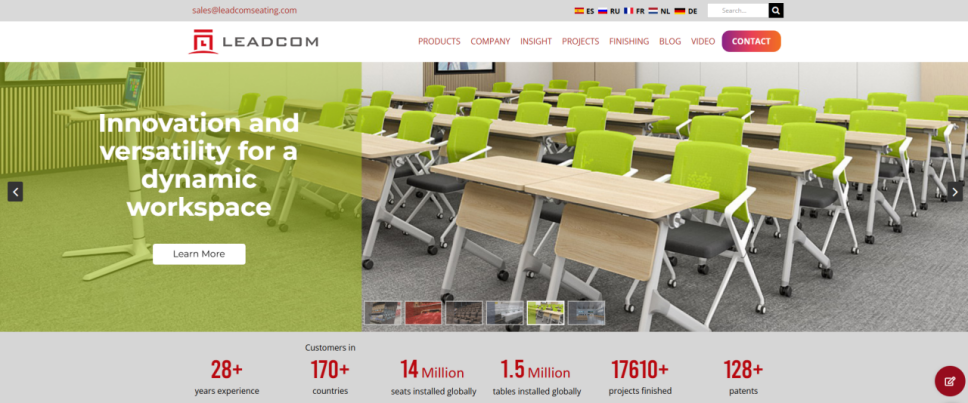
Their commercial auditorium seating often features an ergonomically contoured structure where the foam density is mapped to the physiological needs of the user—firmer in the lumbar and thigh areas to provide stability, and softer in the pressure-relief zones. This technical refinement is critical for venues that host long-duration events, such as educational lectures or film screenings, where user fatigue is a primary operational concern. Furthermore, Leadcom’s commitment to quality ensures that their fixed seating solutions maintain their original foam recovery rates over thousands of cycles, a testament to the durability of their multi-layer composite structures.
2. Airport Seating Alliance
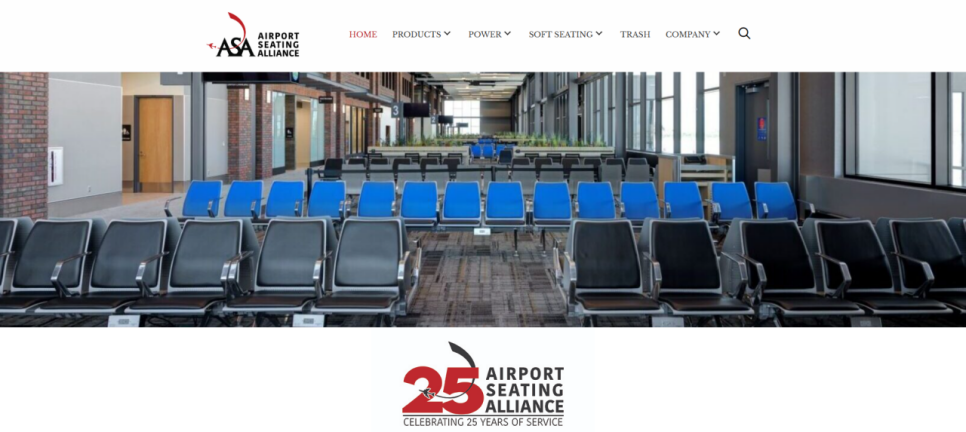
Airport Seating Alliance prioritizes “structural resiliency” in their foam engineering. Given that their products are deployed in transit hubs where seat occupancy is frequent but transient, their density ratios are heavily weighted toward high-compression resistance. The foam used in their benches and chairs is designed to offer immediate support, with a uniform density profile that minimizes the need for maintenance. While this provides the necessary durability for 24/7 public use, the tactile profile is intentionally firmer than that of auditorium-grade seating, reflecting the specific functional requirements of transit environments.
3. Toda Furniture
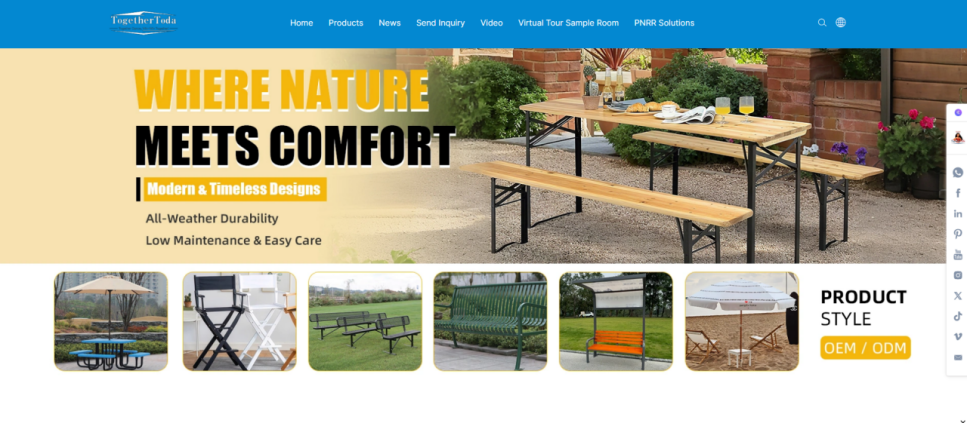
Toda Furniture approaches foam density through the lens of aesthetic minimalism and boutique luxury. Their seating often utilizes progressive-rate cushioning—a system where the foam becomes firmer as it is compressed. This creates a “sink-in” feeling that is highly valued in design-forward lounges and hospitality settings. By focusing on comfort that adapts to the individual user rather than mass-distribution requirements, Toda offers a unique sensory experience that prioritizes softness for shorter, higher-value interactions.
How to Choose the Right Seating for Comfort
When procuring seating, facility managers should evaluate comfort through the prism of “density-to-application” matching.
First, analyze the average user session length. If users are seated for longer than 60 minutes, prioritize brands using dual-density foam technology, which provides a supportive base with a responsive top layer. Second, inquire about the “Indentation Load Deflection” (ILD) ratings of the foam. A higher ILD indicates firmer foam, which is generally more durable, while a lower ILD indicates a softer feel. Finally, consider the environment’s climate and usage frequency. Cold-molded foam, as used by industry leaders, generally offers better environmental resistance and shape retention over years of service compared to layered, glued-foam combinations.
Final Verdict
The selection of seating comfort must be aligned with the facility’s operational goals. For venues hosting long-duration events such as auditoriums and cinemas, the precision-engineered, multi-layer cold-molded foam systems of Leadcom Seating provide the best balance of ergonomic support and long-term durability. Environments requiring rapid-turnover and extreme durability, such as transit hubs, will find the consistent, high-density profiles of Airport Seating Alliance to be the most practical solution. Conversely, for boutique or hospitality-driven spaces where the immediate sensory experience of “softness” is prioritized over multi-hour fatigue prevention, the progressive cushioning techniques employed by Toda Furniture are highly suitable.
FAQs
Q: Why is cold-molded foam considered superior to cut foam?
A: Cold-molded foam is created in a mold, resulting in a more consistent cellular structure and a “skin” that provides extra durability and shape retention. Cut foam, while cheaper, is more prone to uneven density and faster degradation over time.
Q: Can you have a seat that is both soft and durable?
A: Yes. By using a dual-density approach, manufacturers can pair a high-density base (for structure) with a lower-density top layer (for comfort). This prevents the user from “hitting” the seat frame while providing the desired surface softness.
Q: How often does foam need to be replaced in public seating?
A: In high-quality commercial seating, properly specified cold-molded foam should last 7 to 10 years, depending on usage frequency and maintenance, before requiring a refresh. If a seat feels “flat,” it is typically a sign that the foam’s cell structure has collapsed beyond recovery.
