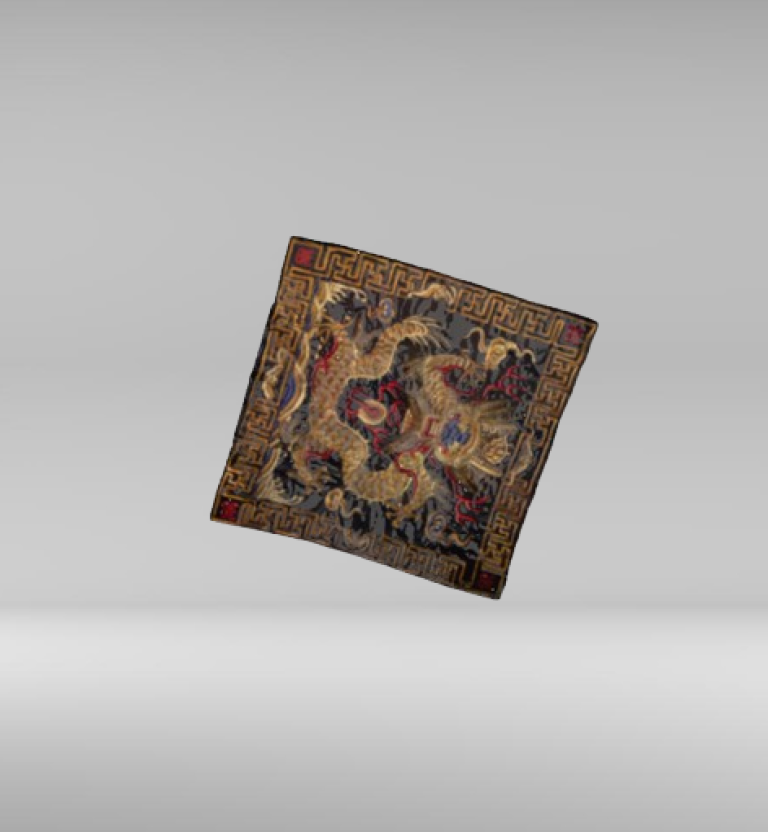
A 3D Scan Model is a digital file that shows the shape of a physical object without touching it. A high-density polygon mesh, like an STL file, usually shows it as millions of tiny triangles that accurately map the surface contours of the original part. A 3D Scan Model is different from a regular CAD file because it is made up of data points that show the object exactly as it is in real life, with all of its flaws, wear, and complex curves. A CAD file is based on mathematical dimensions and design intent.
Because of this unique quality, scanned 3D models are an essential starting point for a wide range of cultural, industrial, and manufacturing uses. Companies like 3DeVOK focus on the integrated technology, such as high-accuracy scanners and specialized software, that lets engineers and designers get the most out of the data they collect, turning the static mesh into a useful, production-ready asset. The 3D Scan Model can be used in four main ways that are very important for driving innovation and efficiency in all industries.
Parametric Design and Reverse Engineering
The Scan-to-CAD process, which is a type of reverse engineering, is the main and most common use of a 3D Scan Model. In this case, a physical part is digitized because the original design documents or CAD files are missing, lost, or never existed. This happens a lot with old equipment, old parts, or custom-made prototypes that were sculpted by hand.
The 3D Scan Model is the only template that works. To turn the mesh data into a fully editable, parametric CAD model, you can use specialized reverse engineering software that works with the 3DeVOK scanning ecosystem. This means smartly taking geometric features like planes, cylinders, and circles from the raw scan points and making NURBS surfaces to show organic shapes. The engineer is not just making an approximation; they are also putting the original design intent back together so that the part can be changed, updated, or easily added to a larger assembly. This process is very important for making old parts again for maintenance, for studying and improving a competitor’s product design, or for turning a non-digital idea into a digital file that can be made.
Quality Control and Metrology with Precision
3D scan models are also very useful for quality control and metrology, especially in precision manufacturing. A 3D scan captures the whole surface geometry of a part, unlike traditional tools like calipers or CMMs, which only capture discrete points. In inspection software, this dense data set is then compared to the original CAD model. This creates a color deviation map that shows any areas that are out of tolerance. This method speeds up finding defects, makes it easier to make changes to molds and tools, and makes sure compliance, all of which greatly improve quality while lowering time and cost.
Digital Archiving and Keeping Culture Safe
3D Scan Model technology is very important in non-commercial areas like cultural heritage and digital preservation, in addition to its use in industry. You can make permanent, long-lasting digital archives of valuable or fragile artifacts, historical buildings, archaeological finds, and works of art by digitizing them with high fidelity. These scanned 3D models act as digital twins that keep the asset’s shape safe from damage from the environment, loss, or physical wear and tear.
The high-resolution models can be used for virtual museum exhibits, in-depth scholarly research without having to touch the original artifact, or to make accurate physical copies for display or hands-on study once they have been digitized. Also, being able to make accurate digital records of complex parts is useful for industrial documentation because it lets companies keep a verified digital library of all their tools, jigs, and fixtures. This archiving feature protects engineering data for the future, making sure that knowledge and geometry are always available, no matter what happens to the object itself.
Customization, changes, and quick production
The 3D Scan Model is very flexible, which makes it possible to create highly customized manufacturing processes quickly. One important use is making custom products that need to fit perfectly with the human body or another object that already exists. For example, in medicine, a patient’s anatomy can be scanned to make a digital model of a limb or skull. This model can then be used to make prosthetics, orthotics, or surgical implants that fit perfectly.
In the same way, a product designer can scan the dashboard of a car or the frame of a mobile phone to make sure that a new accessory or mounting bracket will fit perfectly. Once the mesh model is fixed and improved, it can also be used for Rapid Manufacturing through 3D printing. The high-density polygon structure is perfect for additive processes because it lets you quickly make prototypes and production tools like molds and cores. The 3DeVOK systems give engineers a perfect geometric representation, which lets them skip long manual design steps and go straight to modification, customization, or immediate manufacturing preparation. This makes the 3D Scan Model the spark for quick, personalized innovation.
