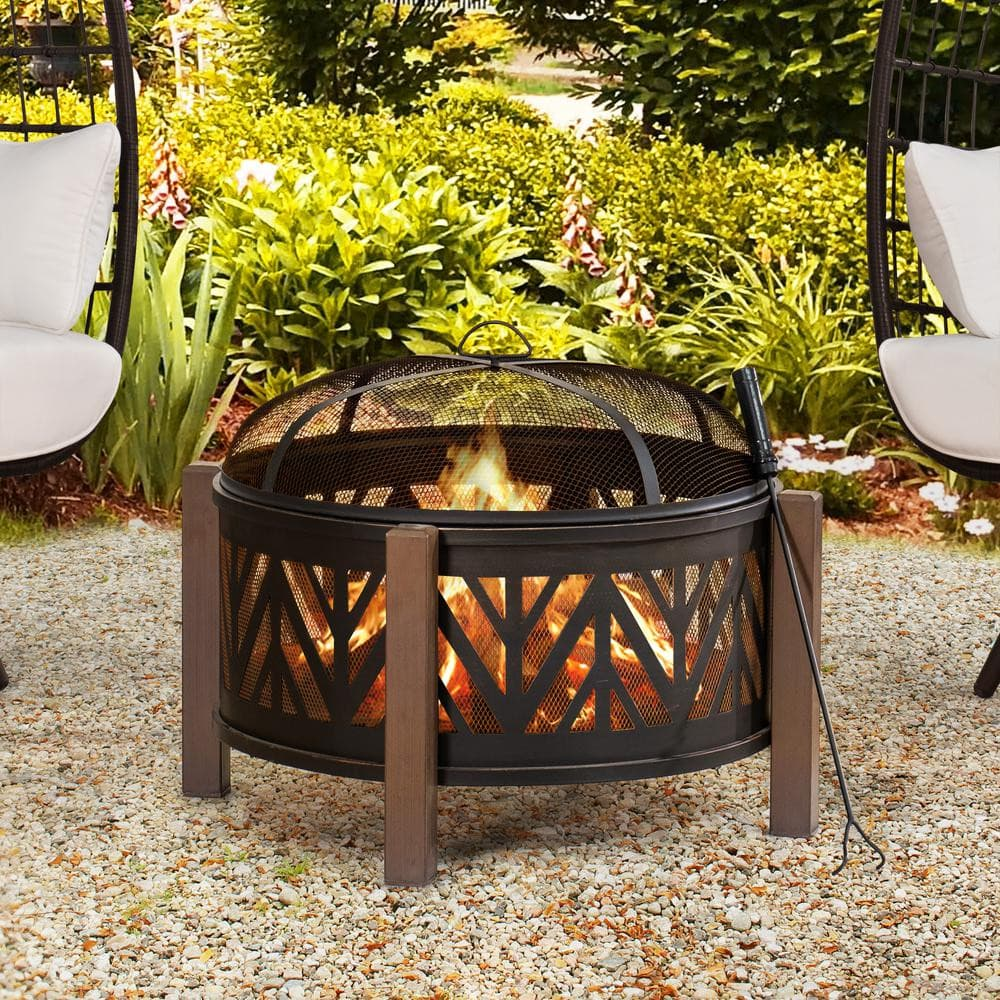
When it comes to enhancing the ambiance and warmth of outdoor living spaces, SUNJOY offers a range of fire pits and fireplaces that bring comfort and style to backyards and patios. A common question many homeowners ask is whether a wood‑burning fireplace is more efficient than gas. Both options have benefits and different kinds of efficiency, so understanding how each performs can help you choose the best fit for your outdoor area.
Understanding Efficiency in Outdoor Heating
Efficiency in outdoor heating can refer to how much heat is produced relative to the fuel consumed, how evenly heat is distributed, and how easy the system is to use. With a wood‑burning fireplace, you experience the traditional crackling flames and natural scent of wood burning. A gas fireplace, on the other hand, provides consistent heat at the flip of a switch, without the need to manage logs or ash.
Outdoor fireplaces and fire pits by SUNJOY are designed with quality construction and thoughtful design in mind. Whether you prefer the classic feel of wood smoke or the convenience of gas, choosing the right option depends on what kind of efficiency matters most to you.
Heat Output and Fuel Efficiency
Wood‑burning fireplaces rely on combustible wood logs. The heat output depends on the type of wood, how dry it is, and how well the fire is managed. Hardwood logs like oak or hickory burn longer and hotter, but they still lose some energy as smoke and unburned particles. While wood fires can produce substantial radiant heat, a portion of energy escapes upward into the air rather than toward seating areas.
Gas fireplaces, frequently used in outdoor living spaces, burn propane or natural gas more cleanly. The combustion process is more controlled, which means a higher percentage of the fuel’s energy becomes usable heat. For many users, this translates into more consistent warmth with less wasted fuel. For example, a gas fireplace can produce heat almost immediately and sustain the temperature evenly through a gathering, which is a type of efficiency that wood burning cannot always match.
Practical Considerations for Outdoor Use
A SUNJOY wood‑burning fireplace or fire pit can become a focal point for social gatherings. Gathering around a crackling fire appeals to many people’s sense of outdoor living. However, it requires attentive maintenance. Wood must be stocked, arranged, and managed to keep flames alive and heat radiating. After the fire dies, ash cleanup is necessary. For some, this is part of the outdoor experience. For others, it may feel like extra work.
Gas fireplaces provide a different kind of practicality. With the turn of a valve or the push of a button, you enjoy a steady flame and heat output. There is no ash to clean and no need to store wood. Gas units are often considered more efficient in terms of time and effort because they remove tasks associated with wood fires. This convenience often translates into more frequent use, which can be an underappreciated aspect of efficiency.
Choosing What Works for You
When deciding between a wood‑burning fireplace and a gas unit, think about how you plan to use your outdoor space. If you enjoy evenings around a traditional fire and don’t mind the care it requires, a wood‑burning option can be satisfying. If ease of use and consistent heat are priorities, then a gas fireplace might be more efficient for your lifestyle.
Conclusion
Both wood‑burning fireplaces and gas options have their own kinds of efficiency. Wood fires deliver classic warmth and atmosphere, while gas fireplaces provide steady heat with minimal effort. With a well‑designed SUNJOY fire pit or outdoor fireplace, you can create inviting settings that suit your preferences and how you enjoy your outdoor living areas. Understanding how each type of fireplace works can help you make a choice that fits your daily routine and enhances comfort in your outdoor environment.
