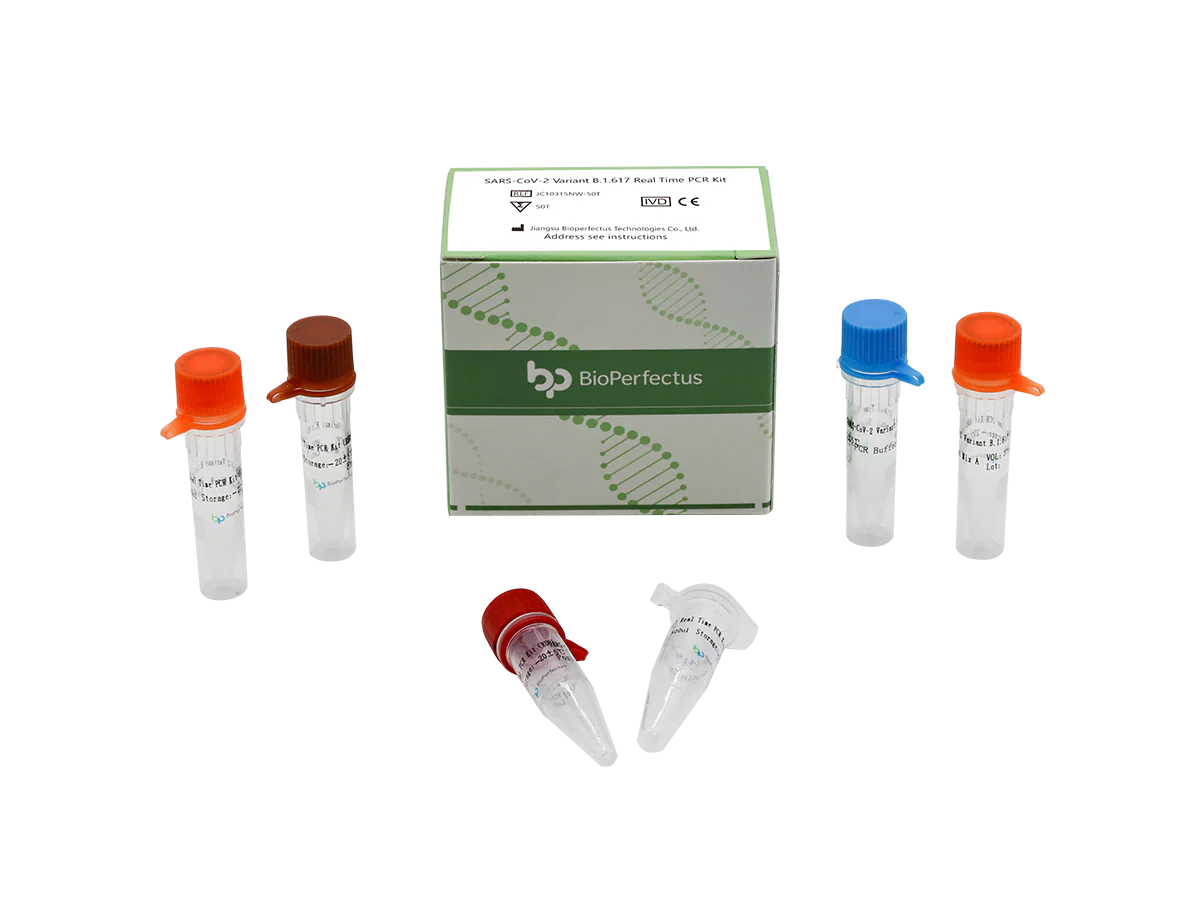
Accurate sample collection is fundamental to the success of a respiratory panel test, designed to detect a variety of respiratory pathogens. Proper techniques ensure reliable results, which are essential for diagnosis and treatment planning. This article outlines the best practices for collecting samples for effective respiratory pathogen panel testing.
Understanding Sample Types and Collection Methods
Before collecting samples, it is important to determine the appropriate type based on the suspected respiratory infection. Common sample types include nasopharyngeal swabs, oropharyngeal swabs, and sputum samples. Each type has specific collection methods that contribute to the validity of the respiratory pathogen panel test results.
For nasopharyngeal swabs, the collector should use a sterile swab with a flexible shaft. The swab should be inserted into the nasal passage until resistance is felt and rotated gently for about 5-10 seconds before removal. Proper technique is crucial to obtain adequate respiratory secretions. Oropharyngeal swabs require the swab to be placed in the back of the throat, avoiding contact with the tongue or cheeks to minimize contamination.
Sputum samples, on the other hand, necessitate a different approach. The individual should be instructed to take a deep breath and then cough deeply to expel mucus from the lungs into a sterile container. It’s essential to collect a sample in the early morning, as this can yield more concentrated pathogens, improving detection sensitivity in the respiratory panel test.
Handling and Transporting Samples
Once collected, samples must be handled and transported correctly to maintain their integrity for accurate testing. If not tested immediately, samples should be stored at the appropriate temperature, as specified in the test kit instructions. Typically, nasopharyngeal and oropharyngeal swabs should be stored at a cool temperature for a limited period, while sputum samples may have different storage requirements.
Timely transport to the laboratory is crucial. Samples should be placed in an insulated container to protect them from temperature fluctuations. It is imperative that the laboratory receives the samples as soon as possible to ensure reliable outcomes from the respiratory pathogen panel test.
BPLabLine provides comprehensive resources for respiratory testing, offering high-quality kits that support molecular research into respiratory pathogens. Their collection includes various virus and bacterial panels, designed to enable efficient detection and characterization in laboratory studies.
Ensuring Reliability in Respiratory Testing
In summary, proper sample collection and handling are vital for the accuracy of respiratory panel test results. Understanding the specific collection methods corresponding to sample types is the first step, followed by careful handling and timely transportation to the testing facility.
Researchers and clinicians can rely on reputable suppliers like BPLabLine to provide the necessary kits and resources for effective respiratory pathogen panel testing. With meticulous sample collection practices, healthcare providers can ensure that diagnostic results are both accurate and reliable, ultimately aiding in better patient outcomes.
